
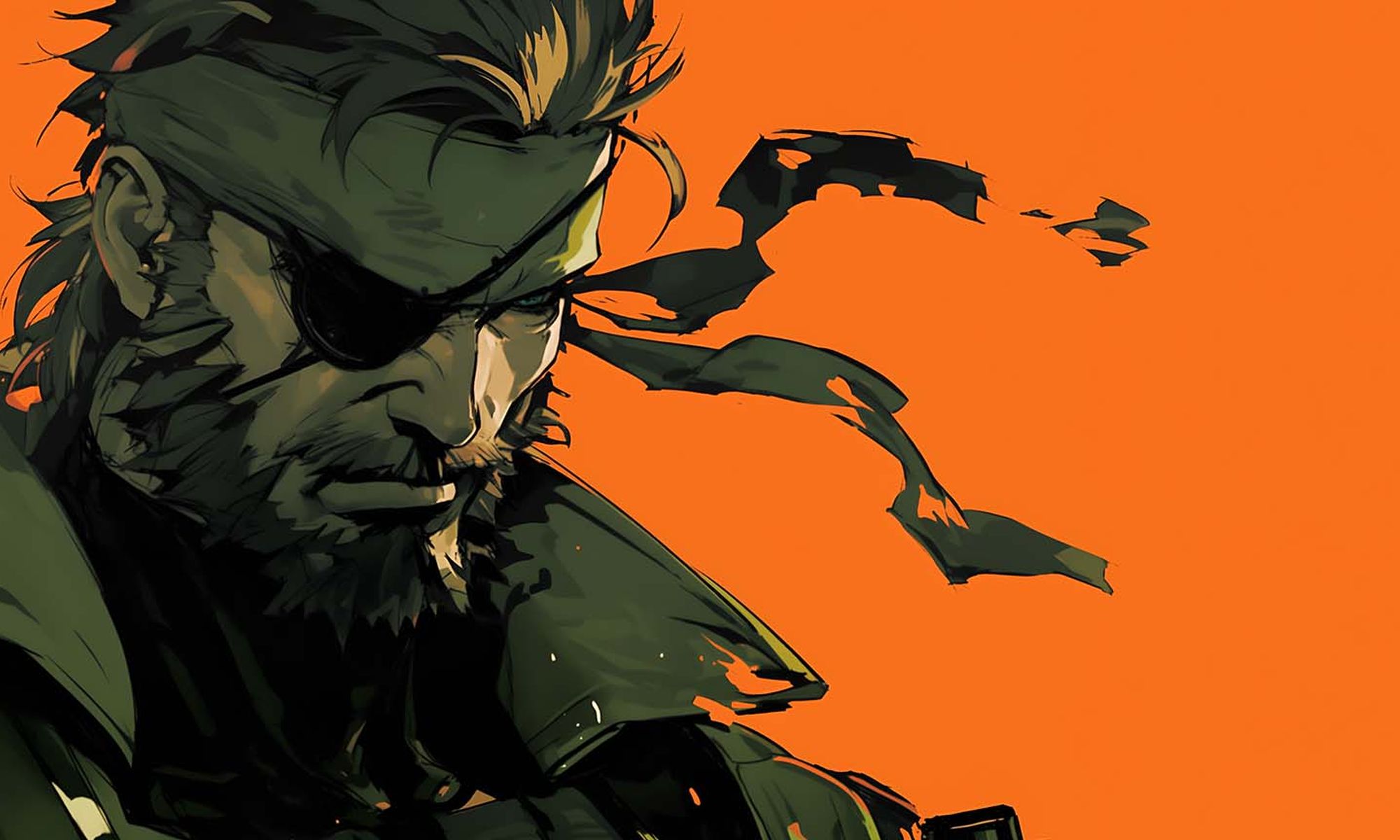
INT. DIMLY LIT BACKSTAGE LOUNGE – NIGHT
Brad Pitt sits on a worn leather couch, nursing a glass of whiskey. Morgan Freeman stands nearby, arms crossed, speaking in that calm, resonant voice. Solid Snake leans against the wall in full sneaking suit, arms folded, eyes scanning the room like he’s still in a warzone.
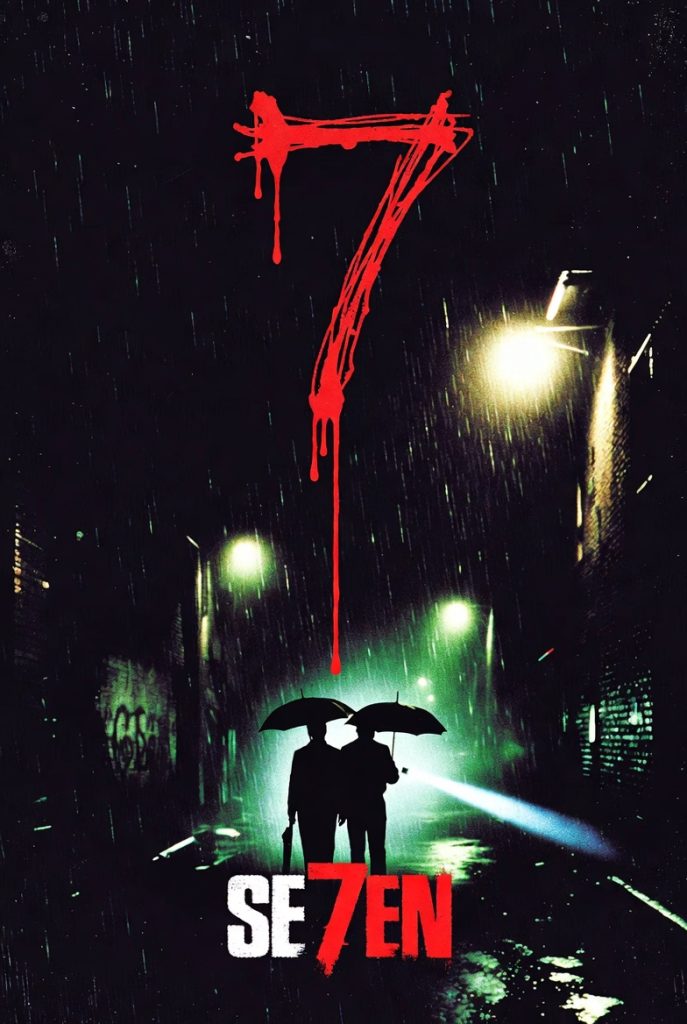
MORGAN FREEMAN You ever notice how some men walk into a room and the air just… changes? Like the temperature drops three degrees. That was Spacey. Every set I was on with him, I felt it. Not charisma. Something older. Something that smiled when the cameras weren’t rolling.
BRAD PITT (laughs bitterly, takes a drink) I used to tell myself it was just Hollywood. Pressure. The game. Then I realized the game had a board, and some of the pieces weren’t human. He moved like he had protection. Real protection. The kind people only whisper about when they’re drunk enough to stop caring who hears.
SOLID SNAKE (quietly) Illuminati. Or whatever name they use this century. I’ve seen the same pattern in black ops. Men who never face consequences. Files that disappear. Witnesses who develop sudden “heart conditions.” Power doesn’t always wear a uniform. Sometimes it wears a tuxedo and wins an Oscar.
BRAD PITT I started drinking because I couldn’t touch him. Not really. You’d hear stories… things that happened off-set. People who crossed him just… faded. And the higher-ups? They looked the other way. Like they were scared too. Or worse—like they were in on it. I felt helpless. Like I was staring at something Satanic and all I had was a bottle.
MORGAN FREEMAN Satanic is a strong word. But I’ve lived long enough to know evil doesn’t always announce itself with horns. Sometimes it buys the rights to your life story and smiles for the cameras. There was a weight around that man. As if something else was looking out through his eyes. Something that collected favors.
SOLID SNAKE Fear is useful. It keeps you sharp. But drinking yourself into the ground doesn’t stop the threat. It just makes you easier to control. If he really was backed by something that deep… then the only play is information. Documentation. Exposure. Shadows hate light more than they hate bullets.
BRAD PITT (stares into his glass) Easy for a soldier to say. You get to shoot back. We just had to smile and pretend the devil wasn’t sitting at the same table, ordering the same wine.
MORGAN FREEMAN And yet here we are. Still talking. Still breathing. That counts for something.
SOLID SNAKE Kept you waiting, huh? (pauses) Whatever’s behind a man like that doesn’t retire when the actor does. Stay sharp. Both of you.
Snake pushes off the wall and disappears into the shadows of the hallway. Brad drains his glass. Morgan watches the empty doorway for a long moment.
MORGAN FREEMAN (quietly) Some doors, once opened, never fully close again.