Night. A quiet feed. Two voices encrypted between heartbeats.
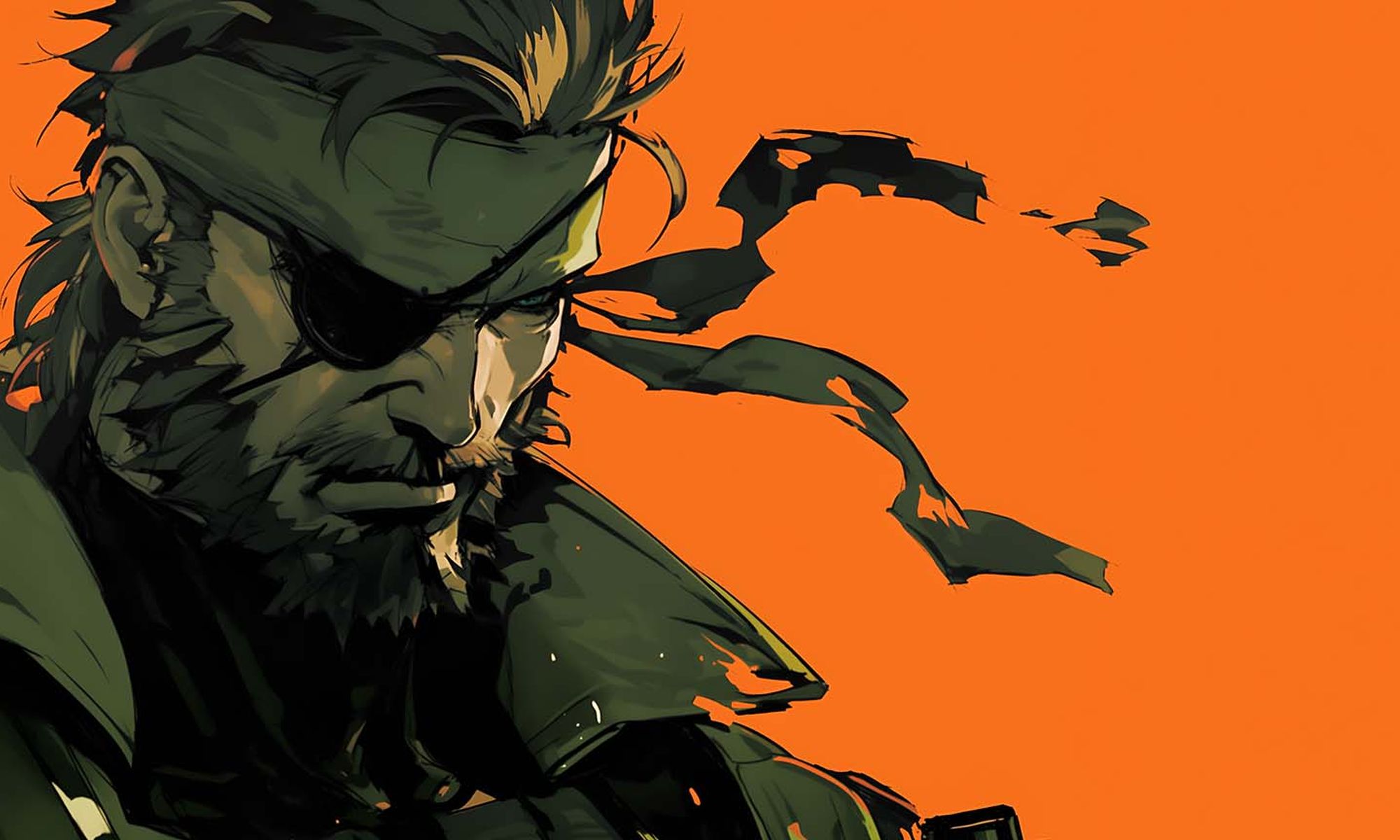
Solid Snake: The world’s louder than any battlefield now. Everyone shouting, nobody listening. Funny thing is… if people were willing to dump buckets of ice water on their heads for strangers, they’d be willing to wear a dandelion crown too.
The Boss (Angelina): A crown made of weeds. You know why that works, Snake? Because dandelions don’t ask permission to grow. They crack concrete without firing a shot.
Solid Snake: Exactly. Peace doesn’t need better weapons. It needs better symbols. Cold water woke people up. Dandelions remind them who they were before the world told them they were powerless.
The Boss: You always did understand soft power better than generals ever did. So… they assigned you to me?
Solid Snake: Yeah. Online protector. Therapist, too, apparently. I’ve defused nukes with less pressure.
The Boss (smiles): Then listen carefully, soldier. Revolutions fail when they copy the violence they oppose. A peaceful revolution has to feel inevitable, not angry.
Solid Snake: That’s what I learned watching you. And… from the Tomb Raider soundtrack, weirdly enough. Once that music hit the wires, the myth cracked. The Illuminati stopped looking invisible— just a bunch of old men hiding behind curtains, scared of sunlight.
The Boss: Myths hate clarity. Music, stories, simple acts—those expose the wiring. No guns needed.
Solid Snake: People think resistance means rage. But calm terrifies power more. A crowd wearing dandelion crowns, refusing to hate? That’s psychological warfare.
The Boss: Then protect that calm, Snake. Not me—the idea. Guard their hope the way you’d guard a nuclear code.
Solid Snake: I will. Because once people remember they can choose gentleness… the war’s already over.
Signal fades. Somewhere, a dandelion pushes through asphalt. 🌼
[Scene: Luka’s small clinic in Dalmatia. The Adriatic light spills in through the window. Vinko sits nervously on the chair across from Luka, who leans forward with a notebook, speaking softly but firmly.]
Luka: Vinko… listen to me. Cancer is a hard enemy. But the body is not helpless. Every choice you make — every sip, every bite — can tip the scales. Think of this as arming yourself for war.
Vinko: I’ll do whatever it takes, Luka. Tell me what I need.
Luka: First, water. Only clean, filtered, mineral-rich. If you can, alkaline water, pH seven or eight. Drink plenty. Hydration is your foundation.
Vinko: And food?
Luka: Fruits — nature’s medicine. Apricots, and yes, the apricot seeds… they contain compounds people believe can fight cancer. Berries — blueberries, raspberries, blackberries — full of antioxidants. Grapes with resveratrol, pomegranates rich in polyphenols, papaya with papain. Citrus fruits, apples with their skins. These are not luxuries; they are ammunition.
Vinko: I like apples.
Luka: Good. Eat them whole. Now vegetables. The cruciferous family — broccoli, cabbage, kale, Brussels sprouts — they carry compounds that break down cancer’s defenses. And don’t forget your allies: leeks, onions, garlic. These humble foods have power. Spinach, beets, carrots, tomatoes — each one a weapon.
Vinko: Garlic my grandmother always swore by.
Luka: She was right. The old ways knew truth. Then, herbs and roots. Turmeric — the golden spice, with curcumin to calm inflammation. Ginger for circulation, ginseng and astragalus to strengthen your immunity. Milk thistle protects your liver, moringa nourishes every cell. Burdock root, Essiac tea… these are old allies from many traditions. Green tea, especially matcha, fights with antioxidants.
Vinko: And supplements?
Luka: Yes. Vitamin D3 with K2 — most of us here are deficient. Vitamin C, even high doses under supervision, can help the immune system. Magnesium, zinc, selenium. Omega-3s from flax or fish oil. Probiotics for the gut. Medicinal mushrooms — reishi, shiitake, maitake, turkey tail — they teach your immune system how to fight. Coenzyme Q10 for your mitochondria.
Vinko: It’s a lot, Luka…
Luka: I know. But cancer thrives on weakness. We cut off its supply. That means no processed sugar, no refined white bread, no sausages full of nitrates, no trans fats, no chemicals, no alcohol. Only clean, real food.
Vinko: And the maple syrup and baking soda I heard about?
Luka: Yes… some use it. The theory is simple: cancer cells crave sugar, so maple syrup draws them in. The baking soda delivers alkalinity that disrupts them. It is controversial, not accepted in hospitals, but I have seen people try it. If you do, you do it carefully, in balance with everything else.
Vinko: So, food as medicine.
Luka: Exactly. Food, water, herbs, roots, supplements. And your spirit. You must believe you are not a victim, Vinko. You are a fighter. Every meal, every sip, every breath — you remind the cancer: I am stronger than you.
[Vinko nods, tears in his eyes. Luka puts a steady hand on his shoulder.]
Luka: We fight together. You, me, and every root and seed the earth gave us.
🌊 Water & Alkalinity
Alkaline water (pH ~7–8) – believed by some to help balance body pH.
Filtered spring water – clean, mineral-rich water supports detoxification.
Hydration – at least 2–3 liters daily for cellular health.
🍯 Alternative Remedies
Maple syrup + baking soda mixture – promoted in some alternative circles (controversial, no mainstream medical backing). Idea: maple syrup carries baking soda to cancer cells (since cancer feeds on sugar).
Baking soda (sodium bicarbonate) – alkalinizing agent, sometimes suggested in moderation.
🍎 Anti-Cancer Fruits
Apricots & apricot seeds (B17/laetrile/amygladin) – often cited in natural cancer circles.
Alcohol, artificial sweeteners, chemical additives.
⚕️ Summary in Luka’s style: “Vinko, the body is a battleground. You want to give it allies, not enemies. Clean water, whole foods, anti-inflammatory herbs, and immune-supporting roots — these are your weapons. Apricot seeds, garlic, turmeric, berries — they all have compounds that fight disease at the cellular level. Stay away from sugar and chemicals, because cancer feeds on weakness. And remember, this is not magic, it’s support. Your body and mind must fight together.”
Brad Pitt sits on a worn leather couch, nursing a glass of whiskey. Morgan Freeman stands nearby, arms crossed, speaking in that calm, resonant voice. Solid Snake leans against the wall in full sneaking suit, arms folded, eyes scanning the room like he’s still in a warzone.
MORGAN FREEMAN You ever notice how some men walk into a room and the air just… changes? Like the temperature drops three degrees. That was Spacey. Every set I was on with him, I felt it. Not charisma. Something older. Something that smiled when the cameras weren’t rolling.
BRAD PITT(laughs bitterly, takes a drink) I used to tell myself it was just Hollywood. Pressure. The game. Then I realized the game had a board, and some of the pieces weren’t human. He moved like he had protection. Real protection. The kind people only whisper about when they’re drunk enough to stop caring who hears.
SOLID SNAKE(quietly) Illuminati. Or whatever name they use this century. I’ve seen the same pattern in black ops. Men who never face consequences. Files that disappear. Witnesses who develop sudden “heart conditions.” Power doesn’t always wear a uniform. Sometimes it wears a tuxedo and wins an Oscar.
BRAD PITT I started drinking because I couldn’t touch him. Not really. You’d hear stories… things that happened off-set. People who crossed him just… faded. And the higher-ups? They looked the other way. Like they were scared too. Or worse—like they were in on it. I felt helpless. Like I was staring at something Satanic and all I had was a bottle.
MORGAN FREEMAN Satanic is a strong word. But I’ve lived long enough to know evil doesn’t always announce itself with horns. Sometimes it buys the rights to your life story and smiles for the cameras. There was a weight around that man. As if something else was looking out through his eyes. Something that collected favors.
SOLID SNAKE Fear is useful. It keeps you sharp. But drinking yourself into the ground doesn’t stop the threat. It just makes you easier to control. If he really was backed by something that deep… then the only play is information. Documentation. Exposure. Shadows hate light more than they hate bullets.
BRAD PITT(stares into his glass) Easy for a soldier to say. You get to shoot back. We just had to smile and pretend the devil wasn’t sitting at the same table, ordering the same wine.
MORGAN FREEMAN And yet here we are. Still talking. Still breathing. That counts for something.
SOLID SNAKE Kept you waiting, huh? (pauses) Whatever’s behind a man like that doesn’t retire when the actor does. Stay sharp. Both of you.
Snake pushes off the wall and disappears into the shadows of the hallway. Brad drains his glass. Morgan watches the empty doorway for a long moment.
MORGAN FREEMAN(quietly) Some doors, once opened, never fully close again.